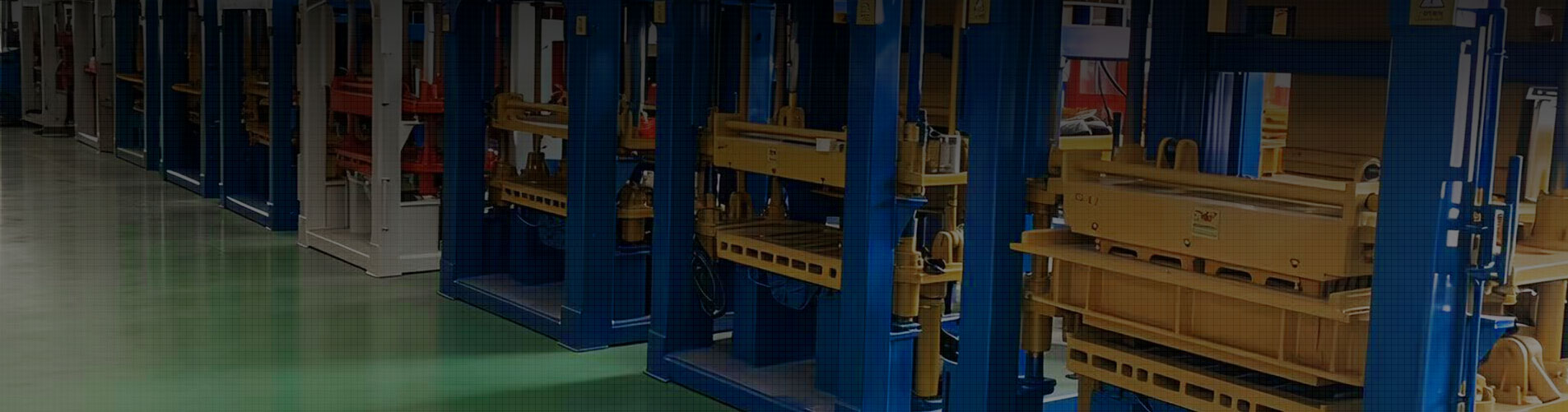
What types of brick making machines can be classified according to their forming process?
1. Hydraulic type: high pressure (equipped with overflow valve/pressure reducing valve in the main hydraulic system), low noise, suitable for producing high-strength hollow blocks (such as 390 × 190 × 190mm), with a molding cycle of 15-30 seconds.
2. Vibration type: Strong excitation force (amplitude 2mm, acceleration 15g), 30% lower energy consumption, suitable for thin-walled products such as Dutch bricks and road bricks.
3. Hybrid type: Combining hydraulic and vibration, compatible with multiple specifications of brick types (such as slope protection bricks and permeable bricks), with a 20% increase in yield.
How to choose a suitable brick making machine?
1. Understand your own needs: Before choosing a brick machine, it is necessary to understand your production requirements and product specifications.
2. Consider production scale: The production scale of brick machines needs to match their own production capacity and market demand.
3. Pay attention to the performance of brick machines: The performance of brick machines is one of the important considerations when choosing.
How can a machine make different bricks?
By replacing different molds, a machine can produce bricks of different shapes.
What bricks can a concrete brick making machine produce?
Concrete brick making machine (also known as cement brick making machine or unburned brick machine) is an equipment that uses hydraulic pressing or mechanical vibration molding technology to produce unburned building materials. It mainly uses industrial waste or natural materials such as stone powder, slag, fly ash, slag, sand, cement, etc. as raw materials, and produces various brick products through scientific proportioning and high-pressure molding without sintering. The products can be used after natural curing.
What is a concrete brick making machine?
Concrete brick making machine is a professional equipment used for producing building materials such as concrete blocks, cement bricks, hollow blocks, and pavement bricks. It shapes the raw materials through high-pressure pressing or mechanical vibration processes without the need for sintering, and is therefore often referred to as a non fired brick machine.